
Exploring Naoshima: Japan’s Art Island Marvel
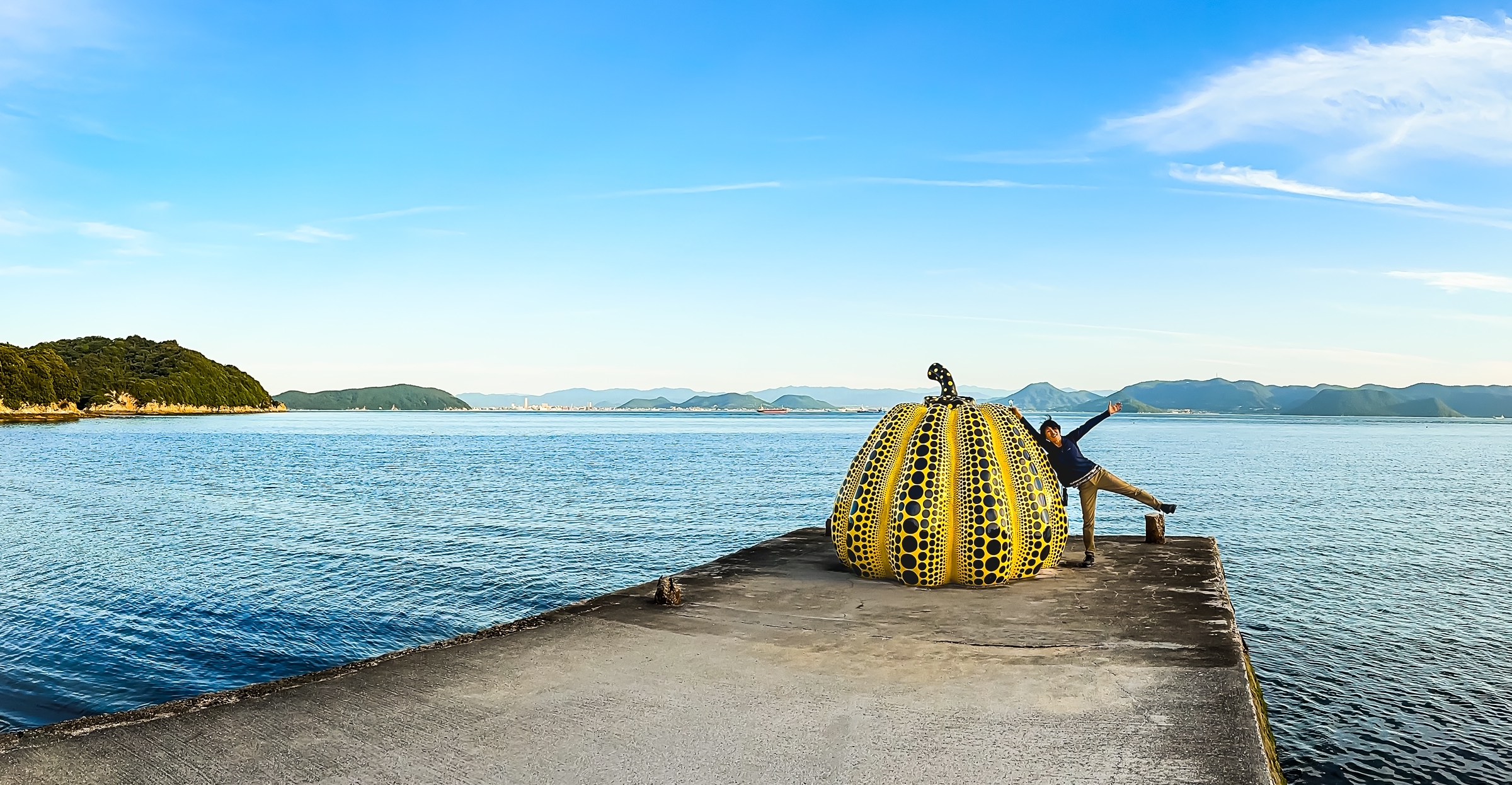
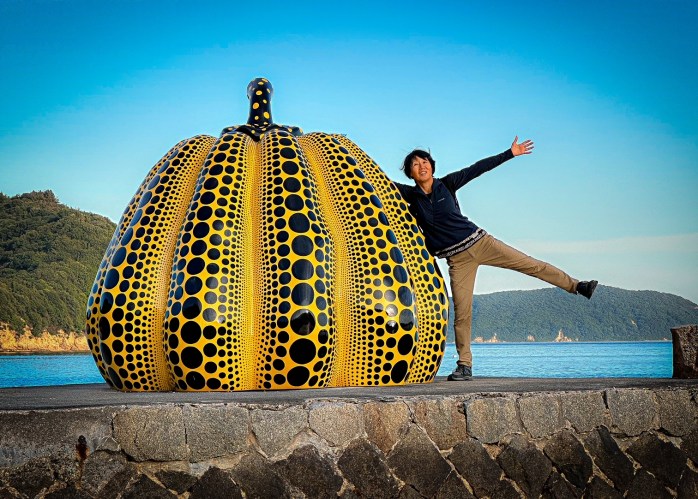
Naoshima is a small island in Japan’s Seto Inland Sea known for its contemporary art and architecture. It’s famous for its art museums, outdoor sculptures, and installations scattered throughout the island. The Benesse House Museum, designed by Tadao Ando, combines art with accommodation, offering a unique experience for visitors. Naoshima has become a pilgrimage site for art enthusiasts, blending modern art seamlessly into its rural island surroundings, making it a haven for artistic inspiration and cultural exploration.
I wasn’t familiar with Tadao Ando’s architectural work, but for Yasuko, his name immediately struck a chord. As luck would have it, just as we stepped into the Ando Museum, we learned that Ando himself was on the island to give a speech about his work and its connection to the island.
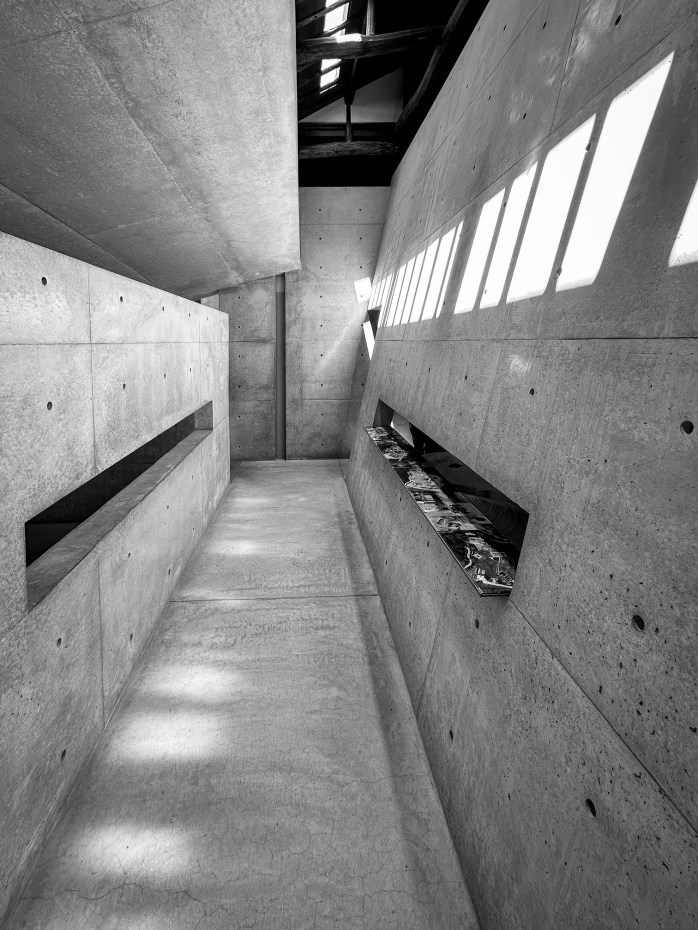
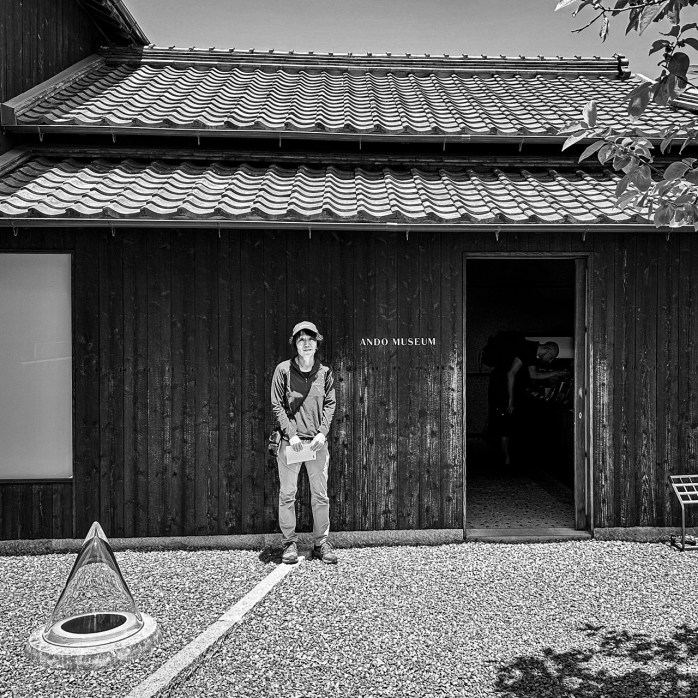

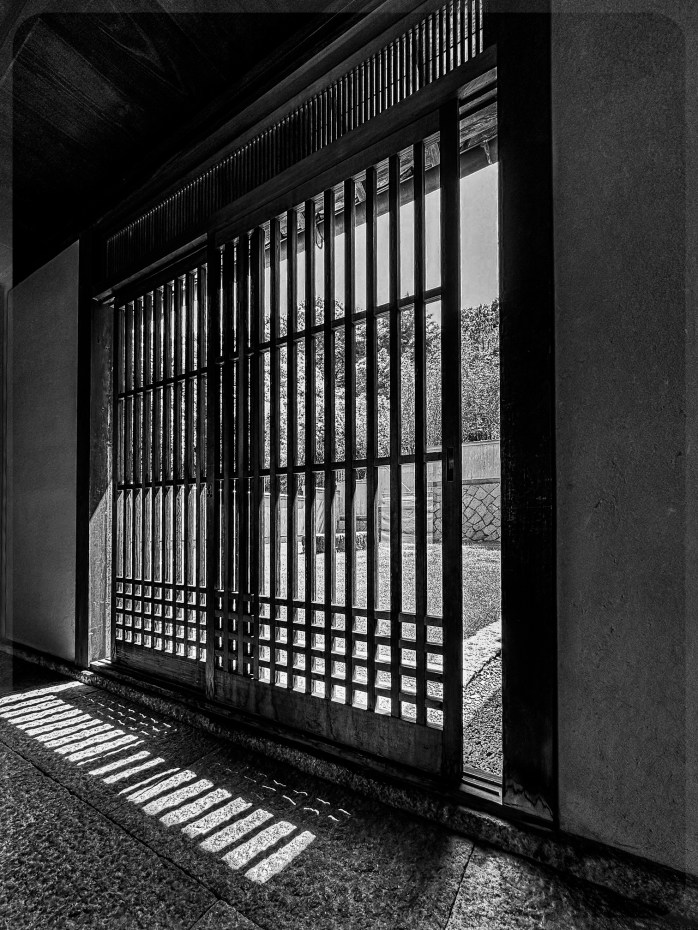
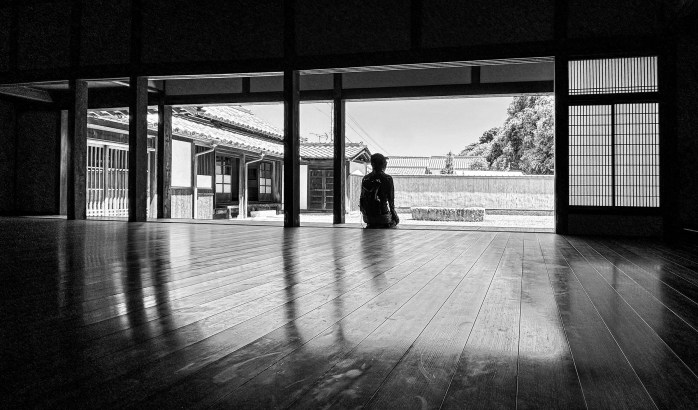
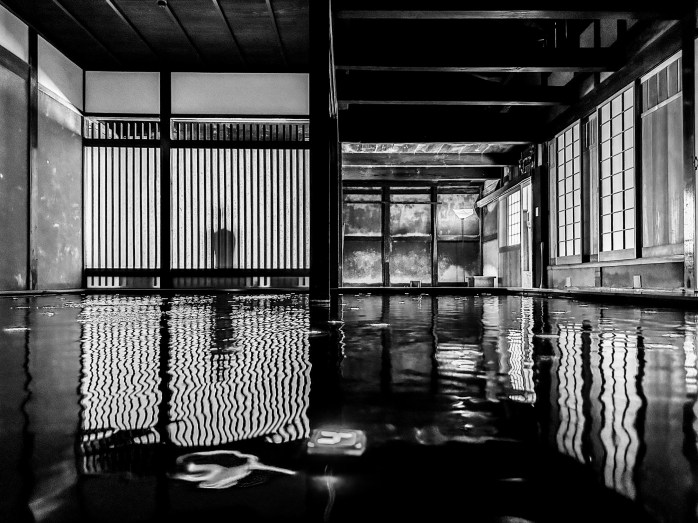

Tadao Ando played a crucial role in transforming Naoshima into a world-renowned art island. He designed several of its most iconic structures, including the Benesse House Museum, Chichu Art Museum, Lee Ufan Museum, and the Ando Museum. His architectural style, characterized by minimalist concrete structures that harmonize with nature, helped shape the island’s identity as a cultural and artistic destination. His work integrates natural light, open spaces, and the island’s landscape, enhancing the experience of contemporary art in a serene environment.
If Tadao Ando had not transformed Naoshima, the island would have likely remained a quiet, rural fishing community with little global recognition. Without his architectural vision and collaboration with the Benesse Corporation, Naoshima would not have become the renowned art destination it is today.
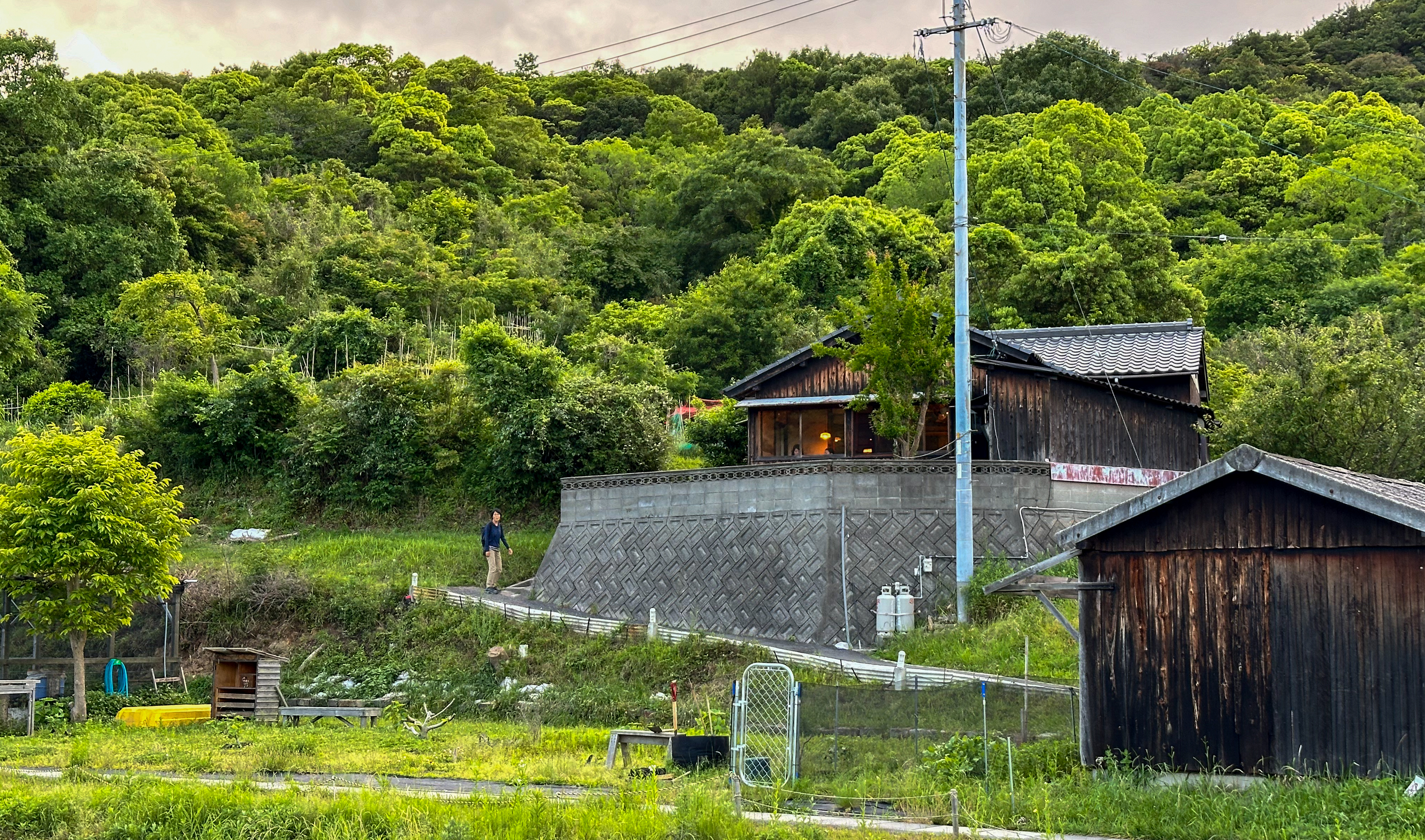
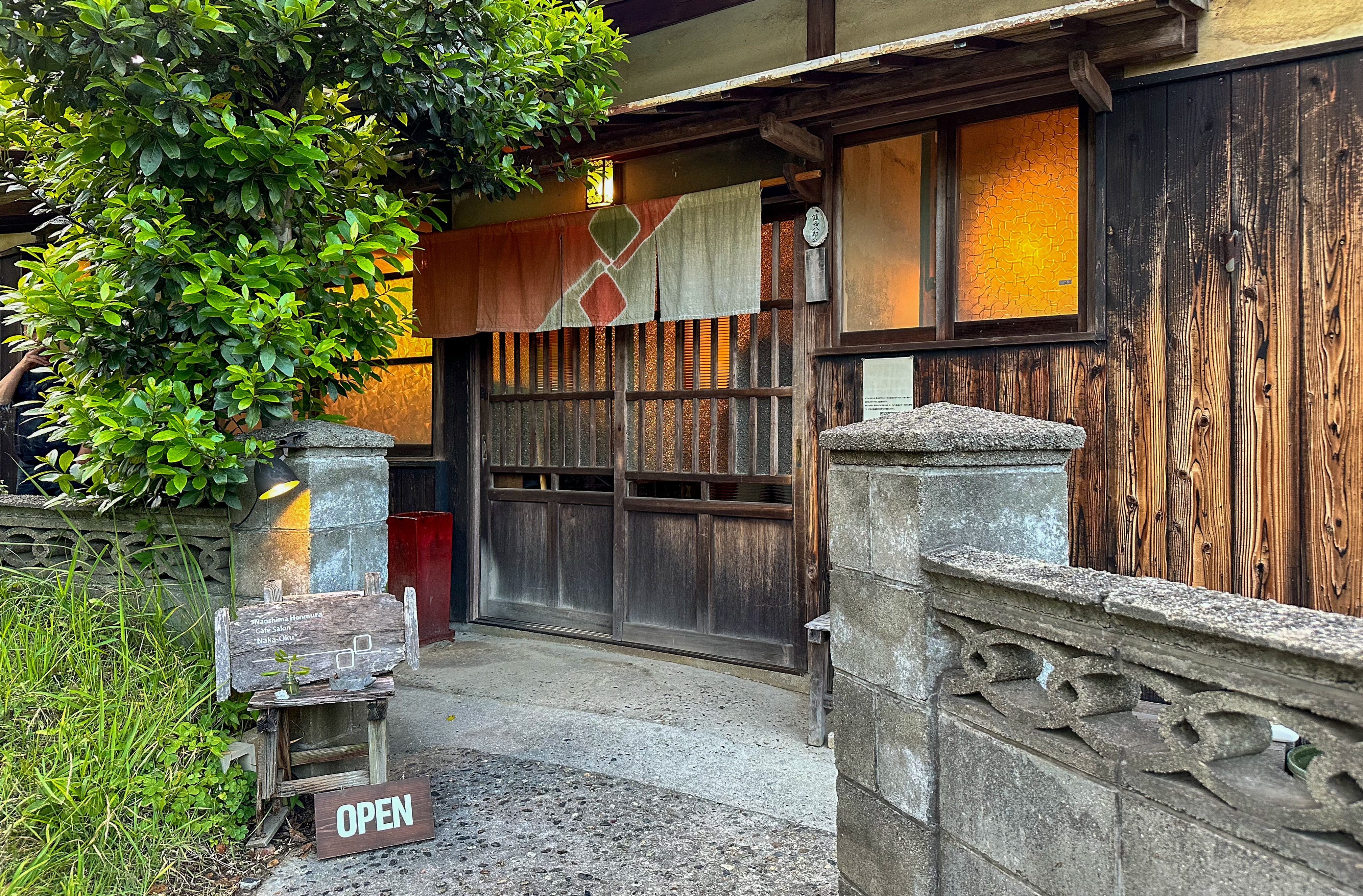

Instead of attracting artists, architects, and tourists from around the world, the island might have struggled with economic decline, as many rural areas in Japan have faced due to depopulation and an aging population. The lack of cultural investment has led to stagnation, with fewer opportunities for local residents.
While Naoshima’s natural beauty would still have existed, its transformation into an art island revitalized the community, created jobs, and preserved its charm while integrating contemporary art into its landscape. Without Ando’s influence, it’s unlikely Naoshima would have become the globally recognized art and architecture hub it is today.

Discover more from Fly, Hike & Travel.
Subscribe to get the latest posts sent to your email.
 Fly, Hike & Travel.