
Kumano Hongū Taisha
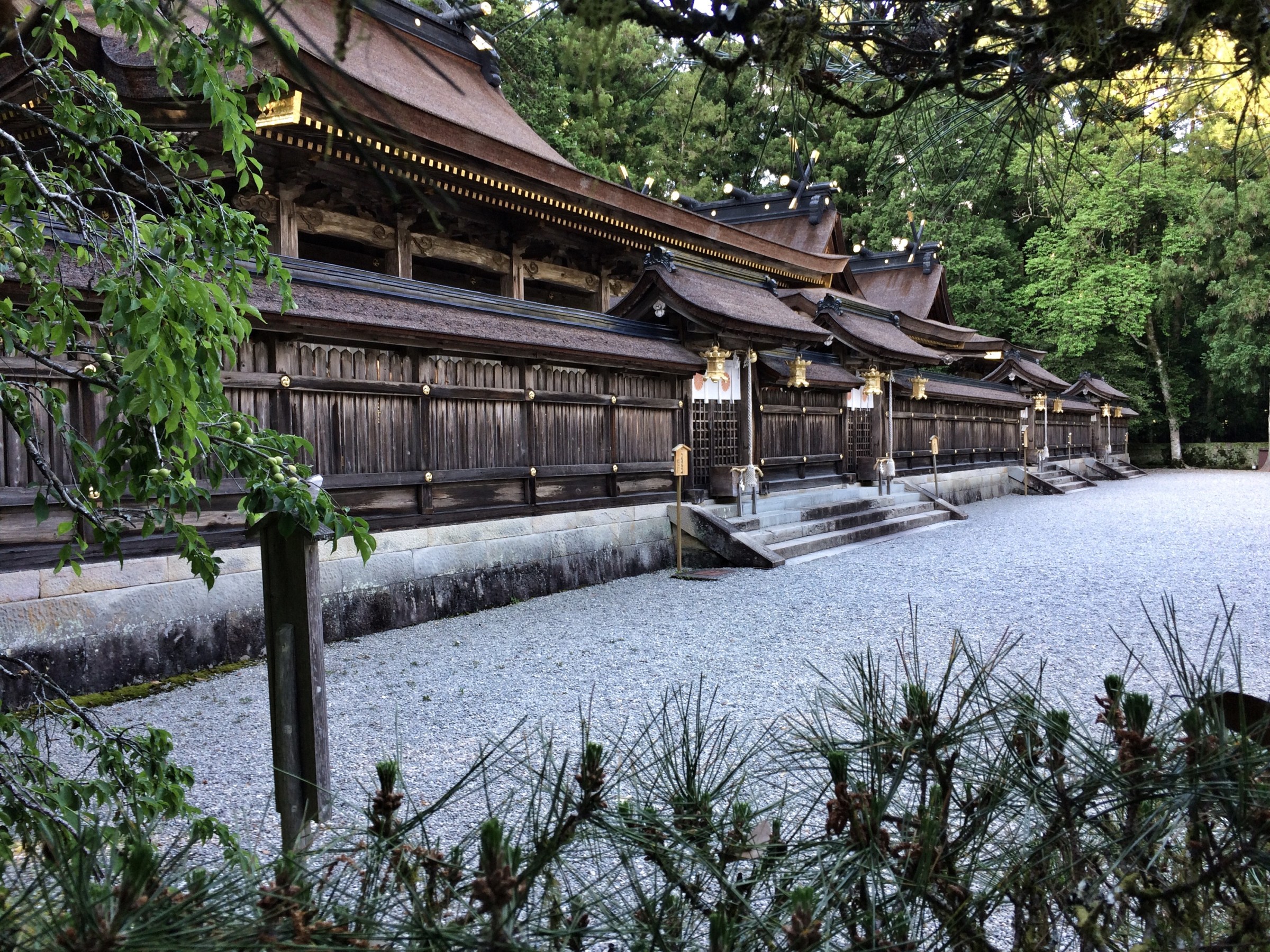
The most beautiful Shinto shrine I have ever seen. After walking on the Kumano Kodo for two hours, we arrived at the main shrine past 5 pm. Read More
Kumano Nachi-Taisha
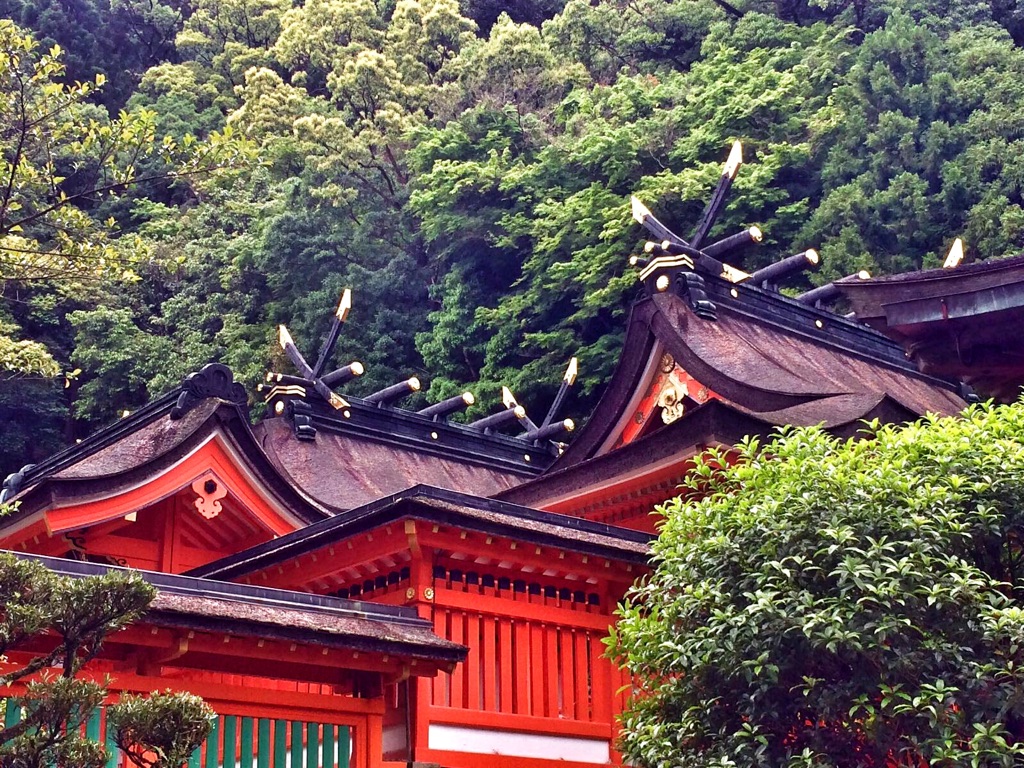
One of the main three shrines in Kumano, Nachi-Taisha, nestled in a dense mountain forest. A very picturesque pagoda was erected in front of the tallest waterfall in Japan (133m).
We arrived around 3 pm and started from Daimon-zaka, walking up to the Nachi Taisha gate. This uphill path, paved with moss-covered stone and lined with massive cedar trees, is part of the Kumano Kodo (pilgrimage route). History can be felt. We were happy to see many visitors coming down and only very few walking up.


By the time we got up to the gate of the shrine, there were very few people, maybe because of the rain. We enjoyed the view of the surrounding mountains and the tranquil atmosphere for a while, before heading to the less tranquil waterfall also visited by a noisy Korean bus tour group.


Kumano Kodo I
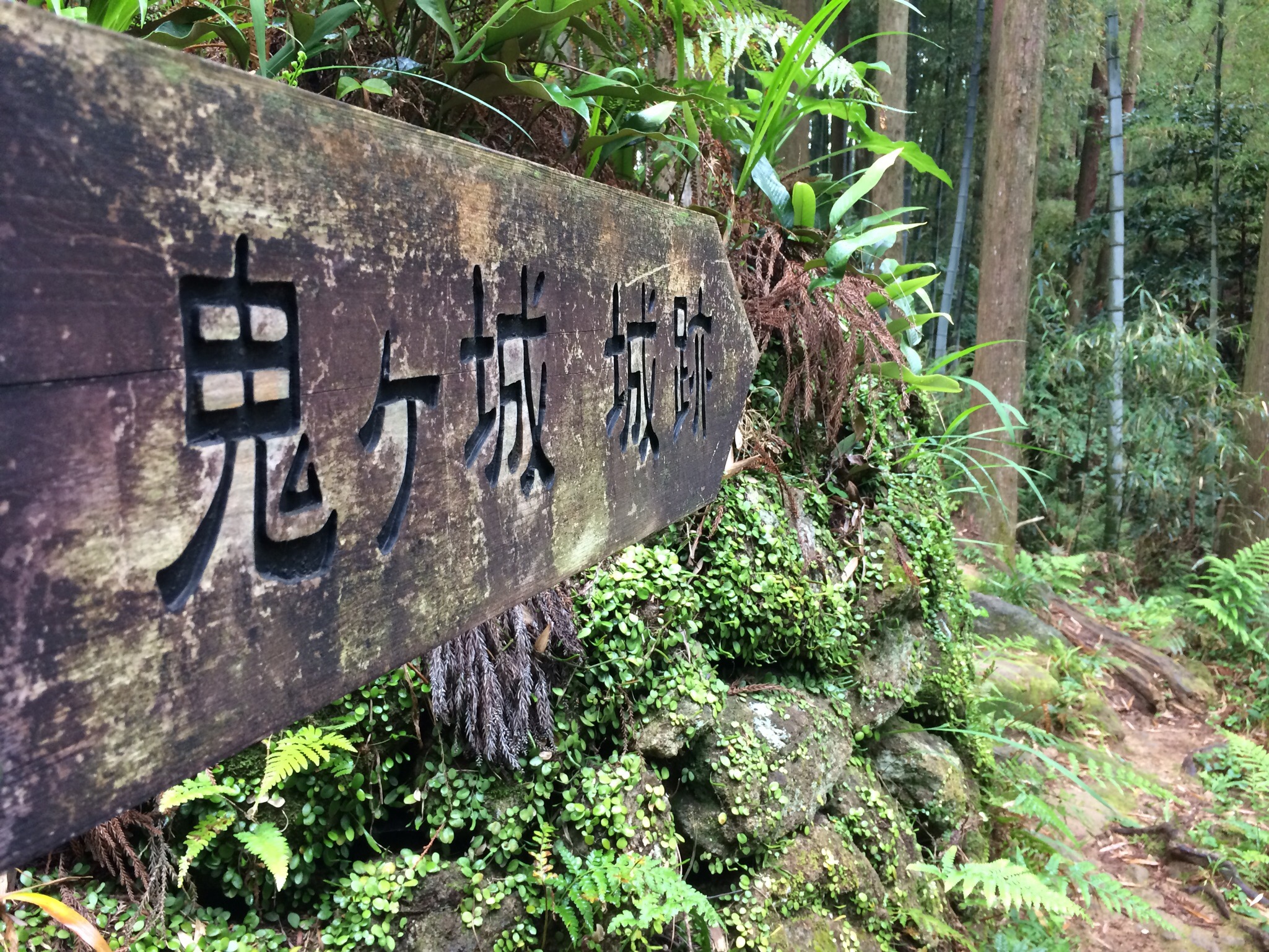
A short 3km walk. First along a fascinating coast and then over the Matsumoto Pass to Onigayo. Our first few steps on the famous Kumano Kodō – a UNESCO World Heritage pilgrimage site. It’s the only pilgrimage UNESCO site in Asia. The big brother is the Camino de Santiago, also known as the St. James’s Way or Chemin de Saint Jacques.


Shima Peninsula


Ryokan Hoshidekan 星出館 in Ise
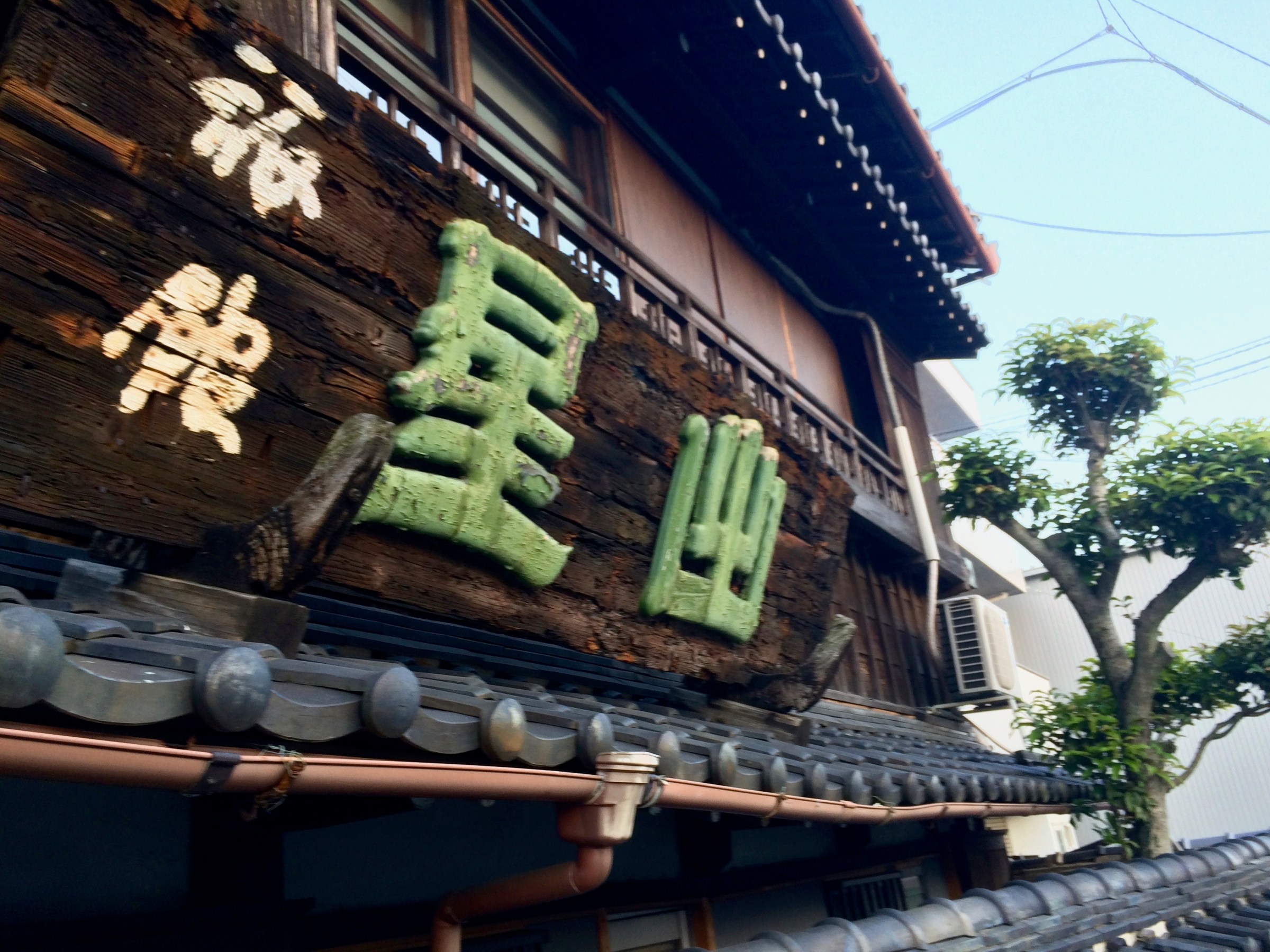
In Ise, we stayed at the super quaint, traditional wooden Ryokan (Japanese-style inn) Hoshidekan. It is located near the river and in the midst of an old neighbourhood. This old building with tatami rooms is taken care of beautifully.

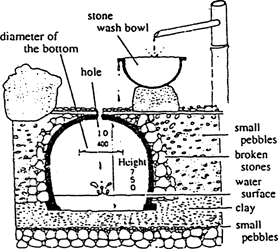
Among the many details the Suikinkutsu (water-cave instrument) is a rather unique feature. Through a bamboo stick, one can listen to the sound of water dropping into an underground cave. Very meditative.
Yen 12,500 for two with breakfast (Western breakfast available).


In the evening we enjoyed a fantastic meal with fish and some great sake in a traditional storage house turned into a restaurant. A bit less enjoyable was the loudest Japanese waiter ever encountered – but the Ryokan warned us.


Ise Jingu
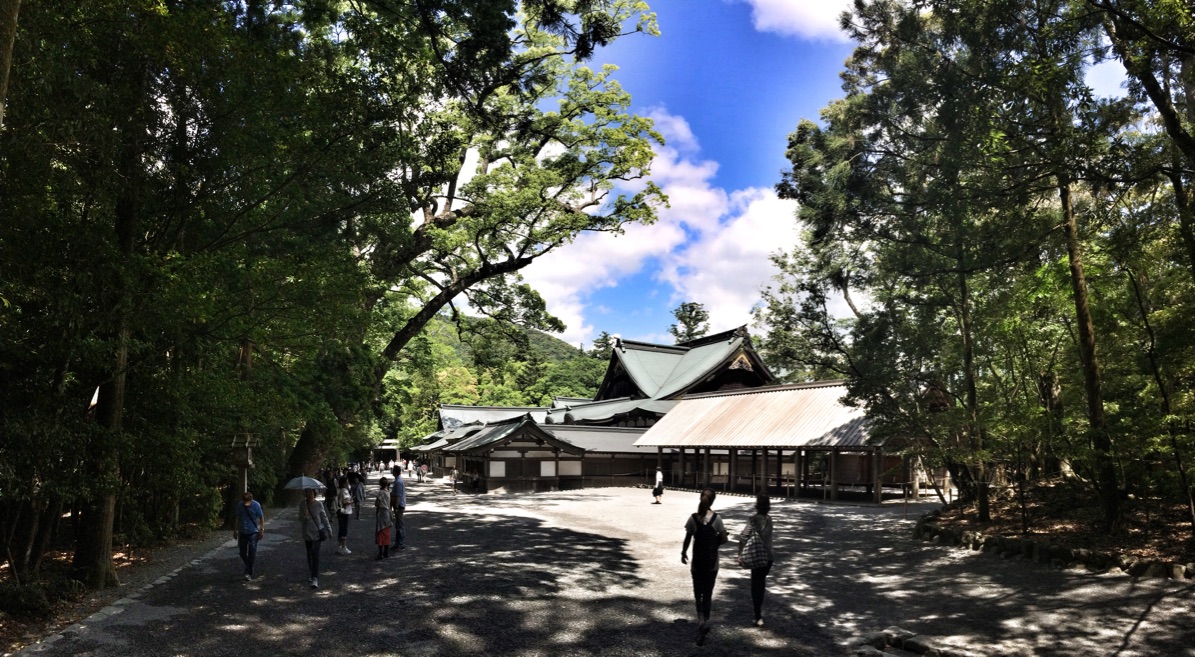
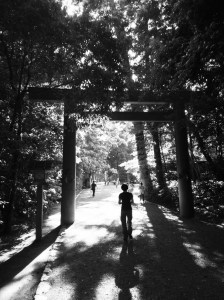
Ise Jingū, the most sacred Shinto shrine in Japan, on the Kii Peninsula, near Osaka.
Going inside the deep-forested shrine compound, we felt awed by the mystic and spiritual atmosphere of the place… like the other hundreds of visitors.


For religious reasons and to preserve the shrine building skills, 16 of the over 100 shrines are rebuilt every 20 years! Its austere beauty of the architecture is impressive.


After visiting the shrine, we went around the shopping street “Okage Yokocho”, leading to the shrine. It was lined with endless souvenir and food shops and booming with many Japanese visitors and foreign tourists. It was great fun trying all kinds of snacks: famous Ise-Udon (thick noodles with only soy-sauce dashi), Matsusaka beef stick and beef bun for Philippe, tofu donuts and red bean paste sweets for Yasuko. The options were endless and we decided to go for a food tasting spree.


With a little help of a friend
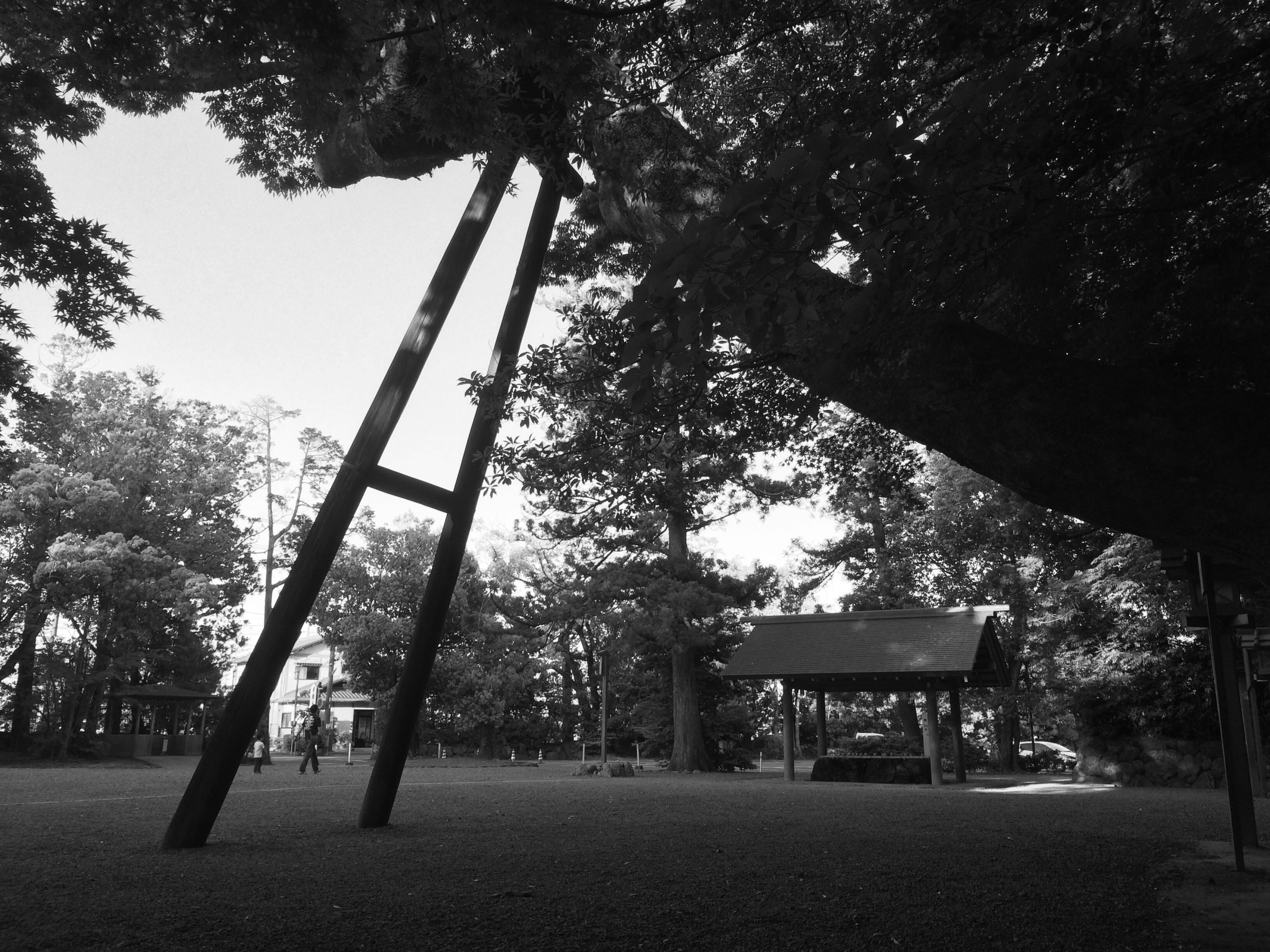
Some amazing trees in one of Japan’s most important shrine, the Ise-jingū.


Today’s Bento Lunch


We had to go to Nagoya by train to get the driving license renewed. There are endless bento (lunch box) options at Nagoya station. Today’s choice…
Ohhhh – Matsusaka Beef
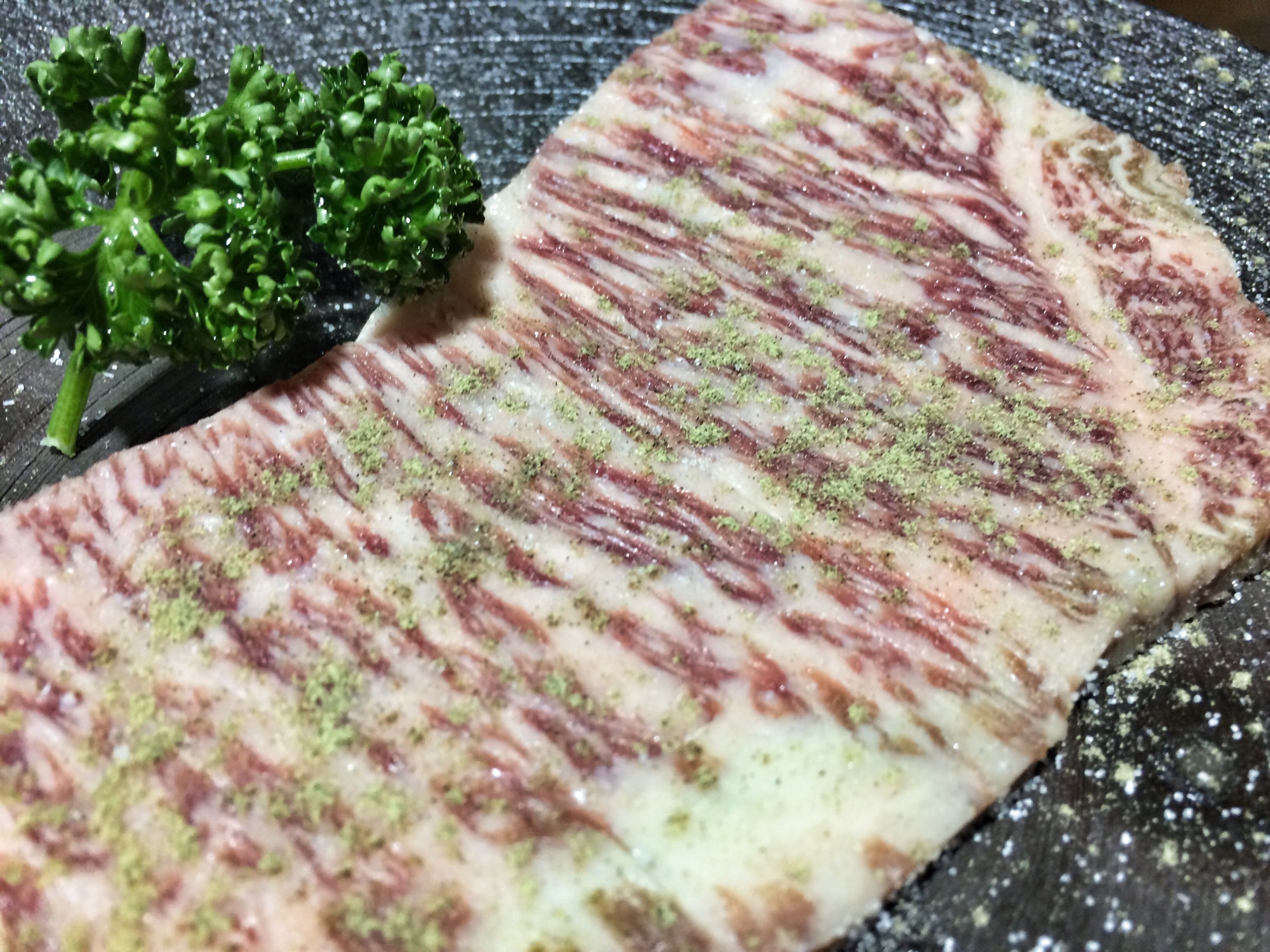
Wikipedia: Matsusaka beef (松阪牛?Matsusaka-gyū also “Matsuzaka beef”) … is one of the most famous beef types within Japan and internationally, with a high fat-to-meat ratio. Within Japan, Matsusaka beef is generally considered one of the three top brands (known as Sandai Wagyuu, “the three big beefs”), along with Kobe beef and Ōmi beef or Yonezawa beef.
It was just unbelievable. I never had meat that tender, tasty and marbled. Comparable, may be, to eating butter with a meat taste. A meat lovers paradise. We went to the Kadoya Restaurant, but the restaurant itself is not the main act here.




 Fly, Hike & Travel.