
Okanagan Valley – the Canadian wine valley
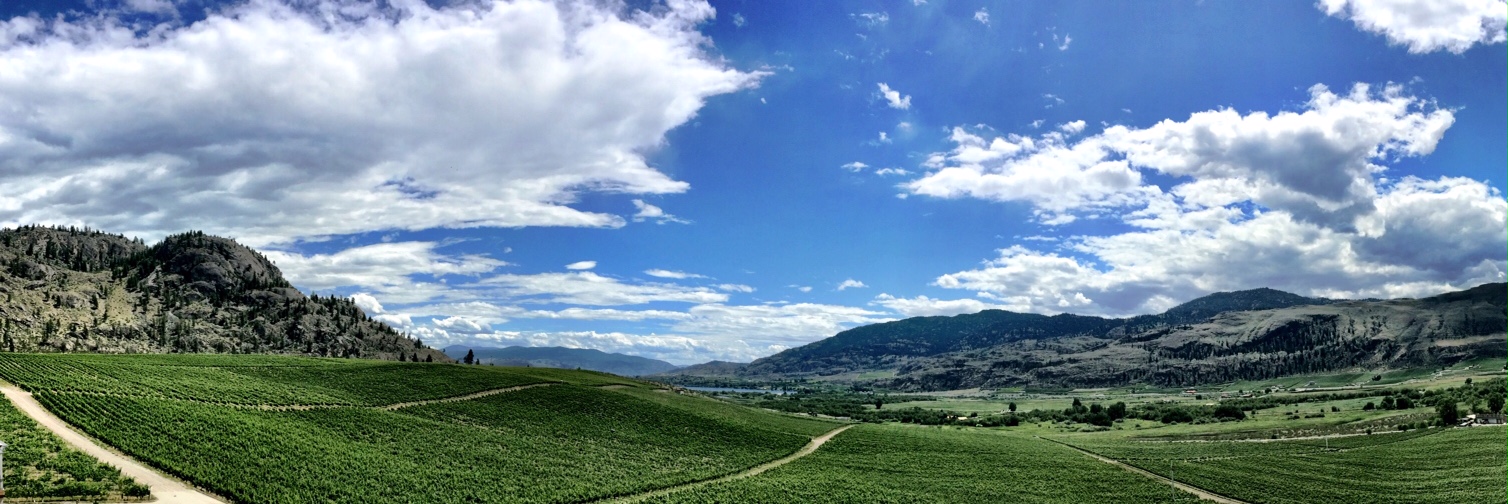
We spent two nights in the Canada’s top wine valley, Okanagan Valley.
This valley has a patch of desert-like climate, hot and dry, and it helps to create good grapes for wines. We have never heard of “Canadian wines” but, let’s admit it, nobody heard of Swiss wines, either, right? Read More


Our first Motorhome

Today, on day 5 of our trip, we took over our home on wheels for the next three weeks. We booked a “Run of the Fleet 4” vehicle. “Run of the fleet” means that for a lower price you get a minimum standard guaranteed but the rental company can decide which precise vehicle category you get at the time of check-in. We got lucky. We got one of the top models :-). A 9.5 meter long, 3.7 meters high and rather wide thing with a “living room” that can be electronically moved sideways to increase space. It´s so big, it´s almost scary. Read More
Grouse Mountain – Vancouver’s Home Mountain
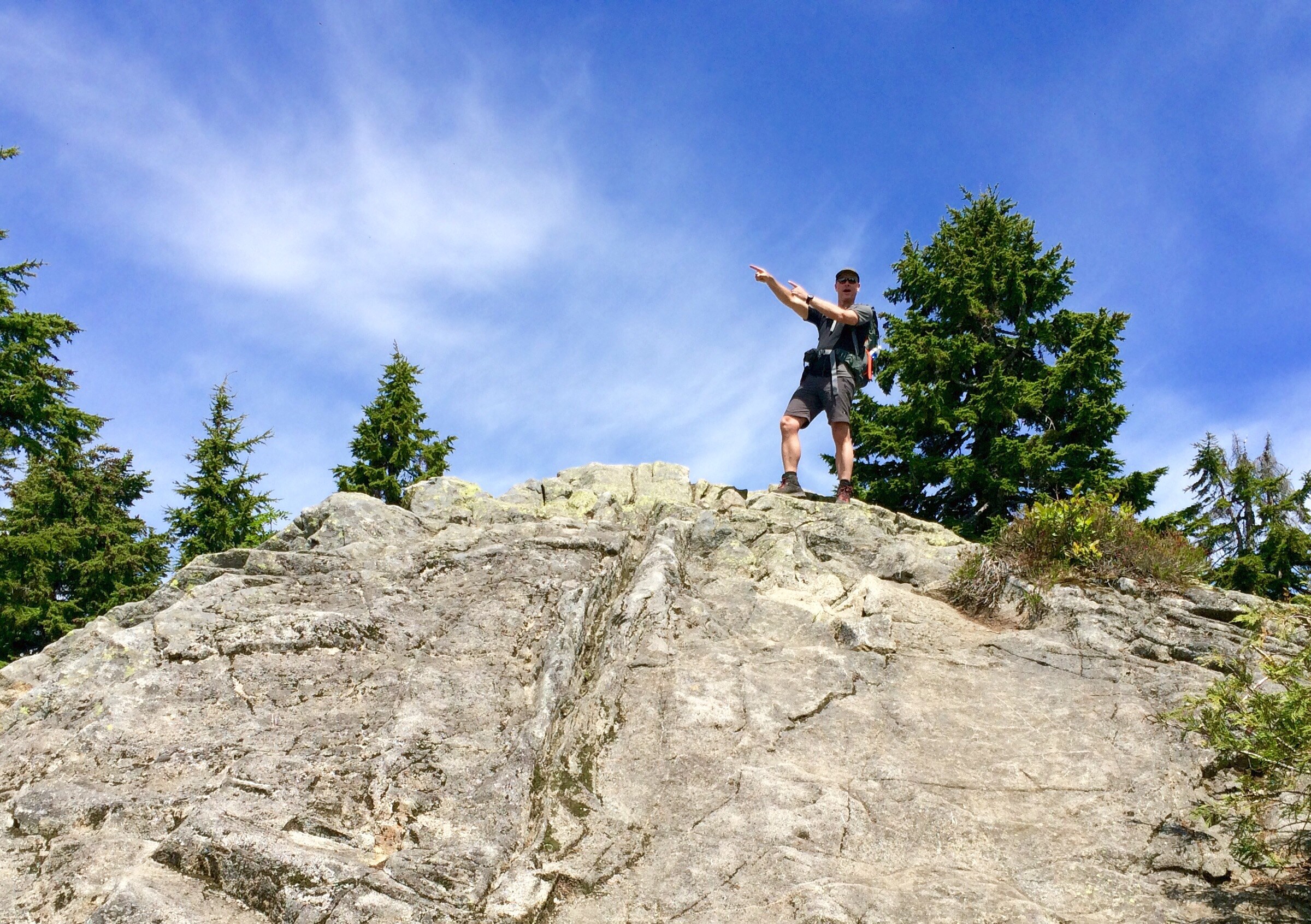
Today we decided to go for the Vancouver’s house mountain, Grouse Mountain (1’127m), which is towering over the whole downtown.
We are hikers, but yet, we did not go for the notorious Grouse Grind, a vertical ascent of 1200 meters. Without shame we took the easy way 🙂 Read More
Philippe’s Paradise City – Sea, mountains, boats, kites and Asian food
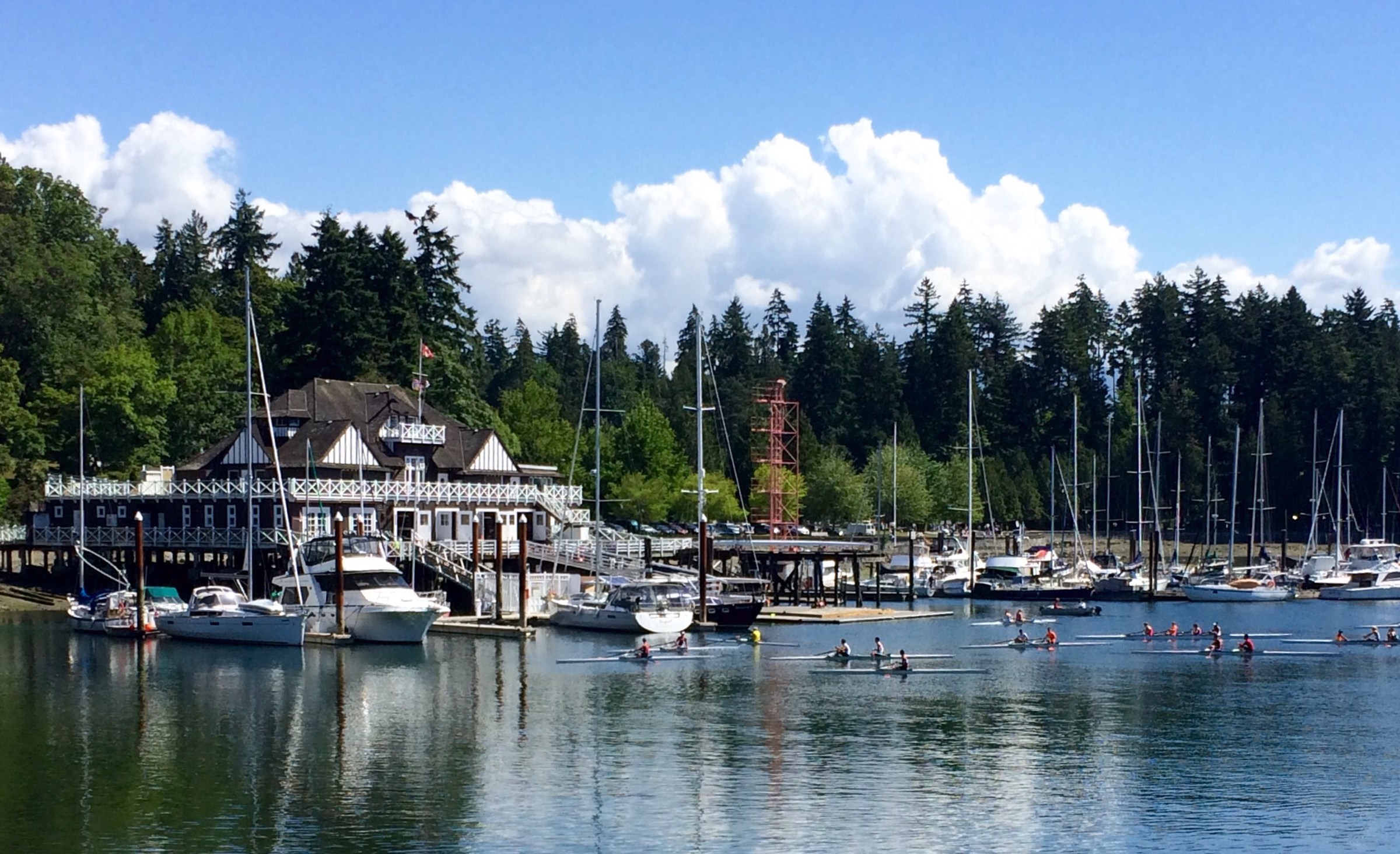
“Can we live in this city?” is a typical question we ask ourselves every time we visit a new country or city. After living in 6 countries and travelling to many places, we have been always “prospecting” a new place to move to or live in. The more we travel and the older we get, the higher our expectations get.
After the 2nd day in Vancouver Philippe and I concluded that this is one of the most livable cities we have visited so far. Read More
Vancouver Day Two
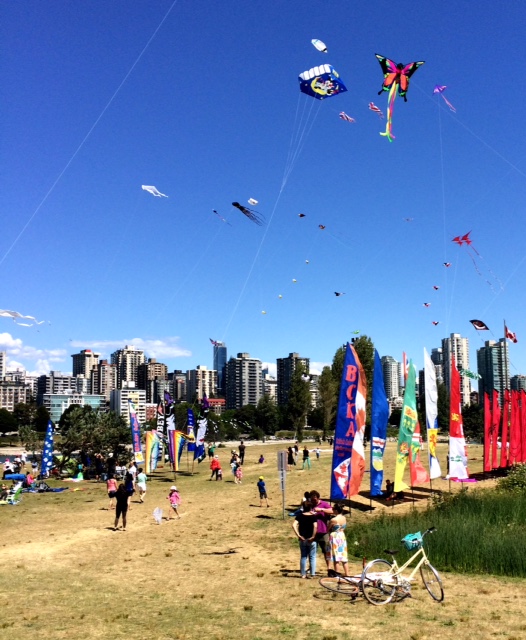
Another sunny day in Vancouver. Today we decided to discover the city by Philippe´s favorite means of transport: BOAT Read More
Vancouver Day One
Surprisingly it takes not more than 10 hours with a direct Edelweiss flight to arrive at Vancouver Airport. Not so surprisingly, a heavy jet lag (-9h) knocks us out for several days…
But before this, on our first day and evening, we meet Brigit, a friend from Zurich who lives in Vancouver and just recently decided to emigrate to BC for good. Read More
Easter Snowshoe Hike in Pany

A short walk around Pany – we are back in the cold and snow of Switzerland – at least for a while.


Floating above the clouds – last day in Costa Rica
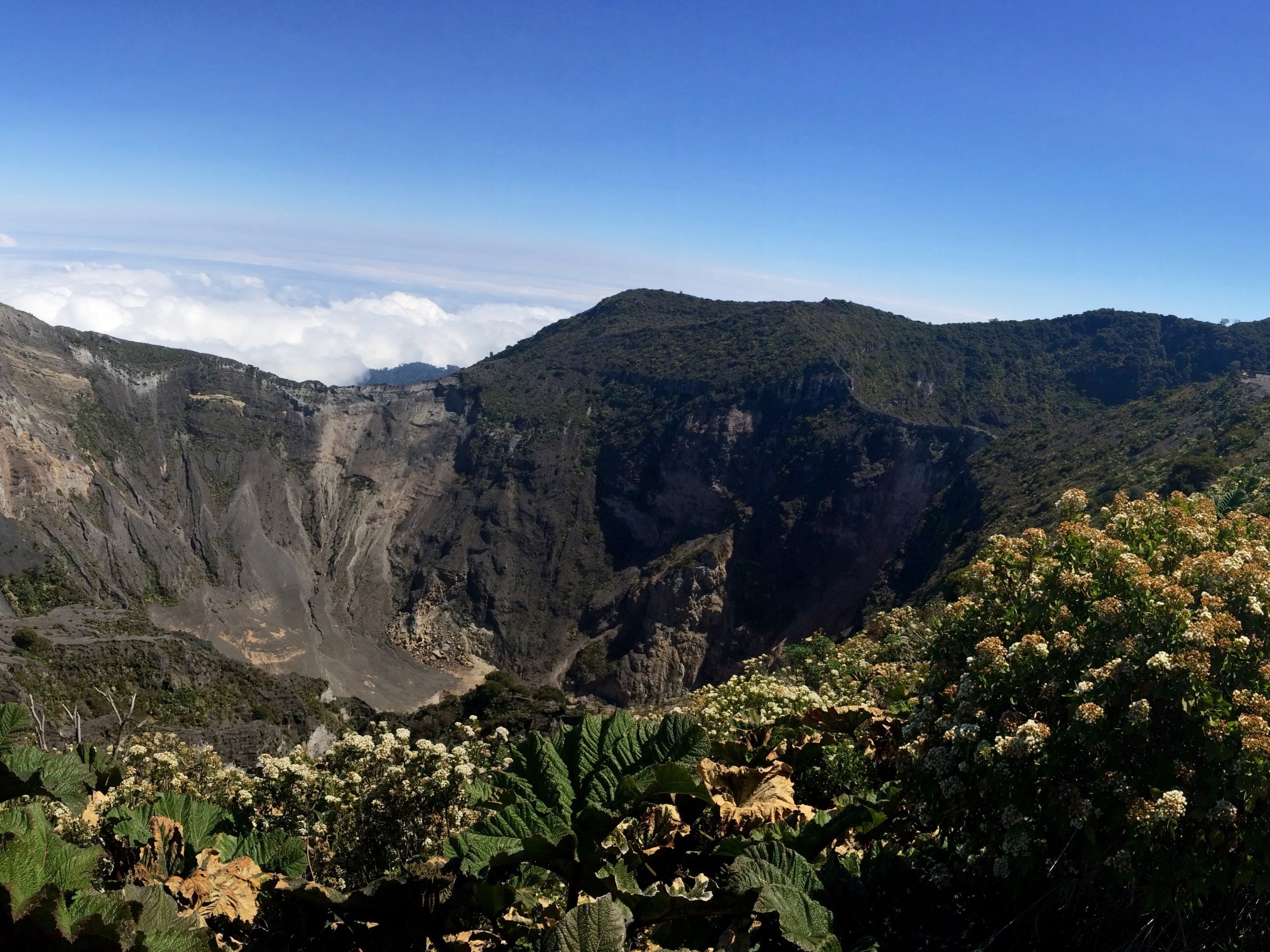
After a wonderful breakfast at Orosi Lodge (yam yam!), we headed for the Irazú Volcano. We drove about an hour in the mist wondering If we would get to see the volcano at all. Half way up, the clouds gave way to the blue sky. What a pretty scenery it was!
We walked up to the top of crater (3’500 m) and felt the thin air! The view was magnificent. All around the mountain but considerably lower, there was a thick base of white clouds. But we could see many mountain tips “floating” above the clouds. It looked amazing.
After a short pick-nick at the top (rudely interrupted by an aggressive raccoon which was aiming at our fruits!), we drove through the backcountry, enjoying a nice scenery, with a late, tasty lunch at the beautiful Finca Rosa Blanca.
Today we start the return trip home with a short overnight stop at Nicole’s & Zenon’s place in Santo Domingo. Nicole was more than helpful and will be our favorite travel agent of all times. Muchas gracias!!
Now cooold Switzerland is waiting for us at the other end of the Atlantic.
End of season 1 😉


Finca Cristina – Linda’s Organic Coffee Farm
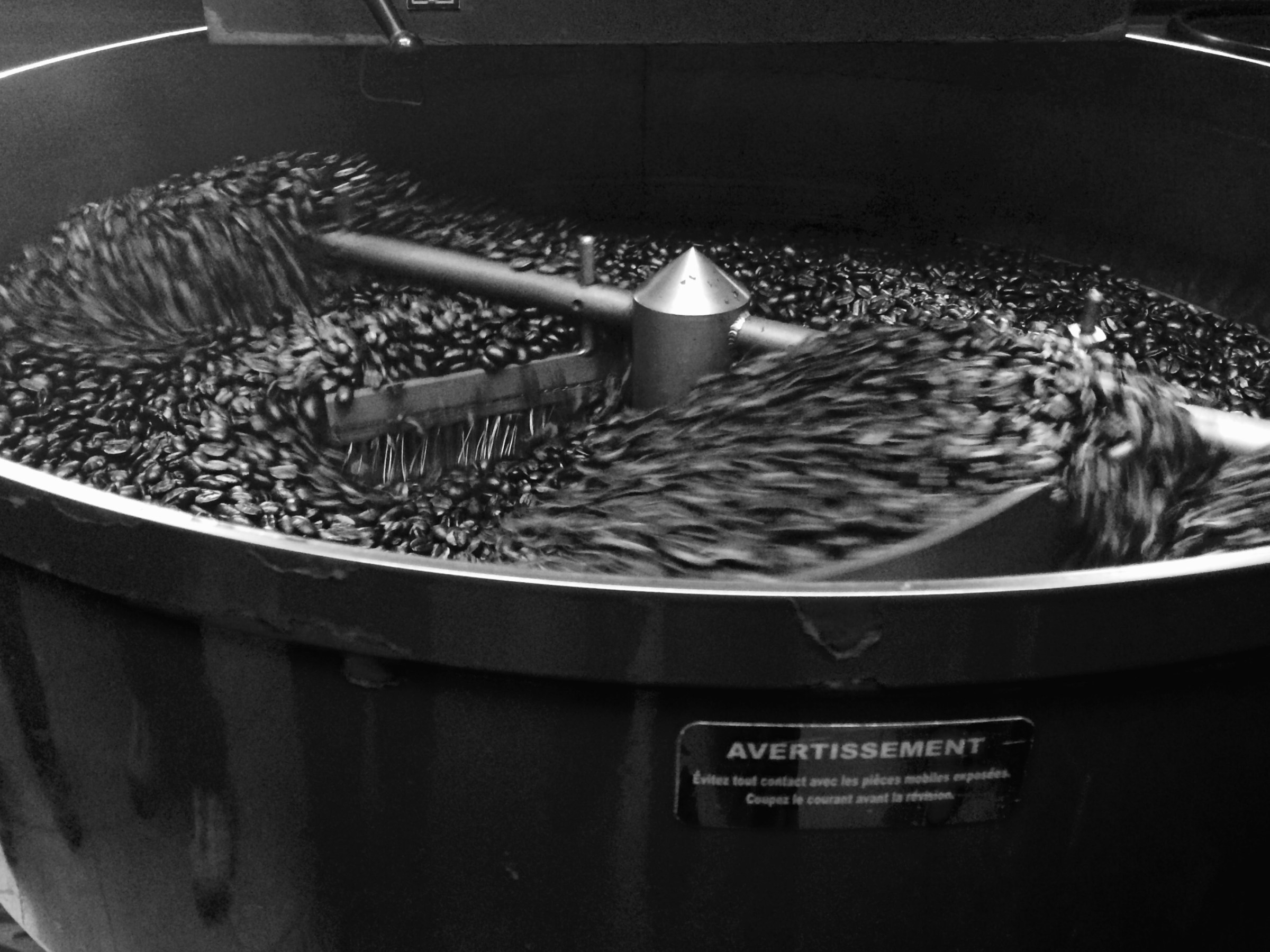
What does it take to produce good coffee beans and eventually drink a great cup of coffee?
This were the questions I had as a hard-core coffee drinker (that’s what Yasuko thinks I am). So we decided to join Linda’s organic coffee farm tour at Finca Christina. Heck is it hard to produce coffee. “First, to have good coffee trees”, Linda says, “one needs to create a good environment, letting Mother Earth take control”. Then you need to plant sturdy shade trees among relatively short coffee trees. Those shade trees play an important role and need to be taken care of in several ways. If the tree is too tall, the coffee tree will not get enough sun. If it is too short, it will burn the leaves. Therefore, the trees need to be pruned every other month.
The pruned branches and leaves are left on the ground and create vital biomass for coffee trees.
Linda also plants banana trees and other plants, let bromides and air plants live on the trees, in order to have maximum biodiversity. Of course, an organic farm (no chemicals) means that weeds grow rapidly and the biggest part of their farm’s job is to do the weeding regularly… That’s just the start.
Ripe beans harvested between November to February. Harvesters walk the ground up to 15 times to get all the fruits. They carefully choose the ones which are ripe each time. At the end, no fruit may remain on the trees as this would attract bugs.
Then machines take control. The shell of the fruit needs to be removed. Then we see the slimy two shells inside. Apparently these slimy juice is harmful so here their two pigs come into play: they mix these removed slimy part with pigs’ poo and turn them into biomass. Conventional farmers used to just dump these toxic elements into river…
Then the beans are sun-dried and sorted out based on their quality. That’s Linda’s husband job. Then the beans go back to Linda to be roasted. This takes about 20 minutes at 200+ Celsius depending on how dark the coffee should be.
For one cup of coffee, it takes a multitude of steps and hard work. If you put this in relation to the short time it takes to drink an espresso, it is almost unreal. I will certainly cherish my next cup of coffee with more humbleness.


